


- Home
- About us
- ProductsProduct Classification
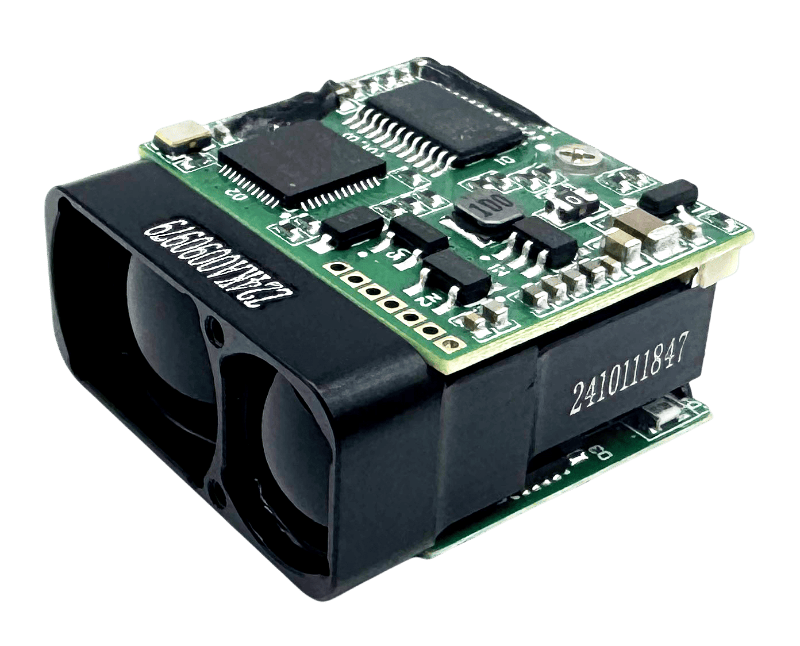
905nm B 1.5kmLaser Rangefinder Module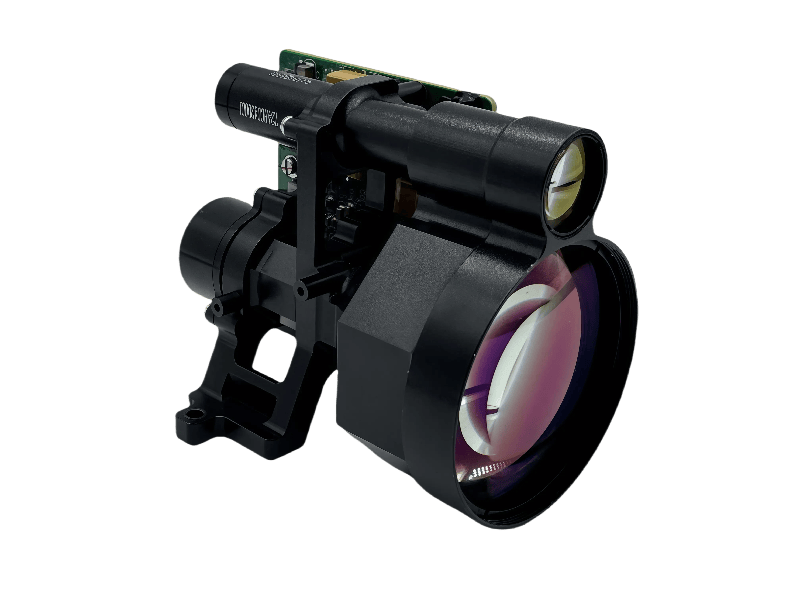
10.5km High-Accuracy 1535nmLaser Rangefinder Module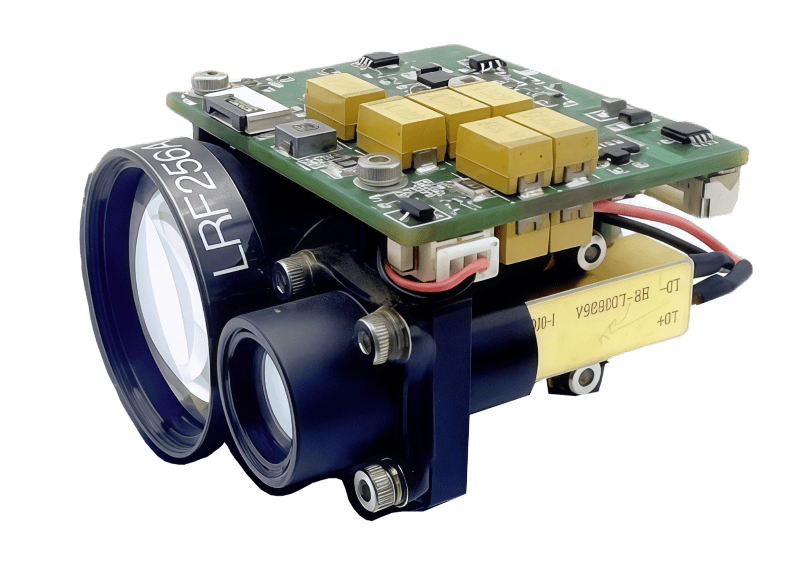 1535nm B 8kmLaser Rangefinder Module
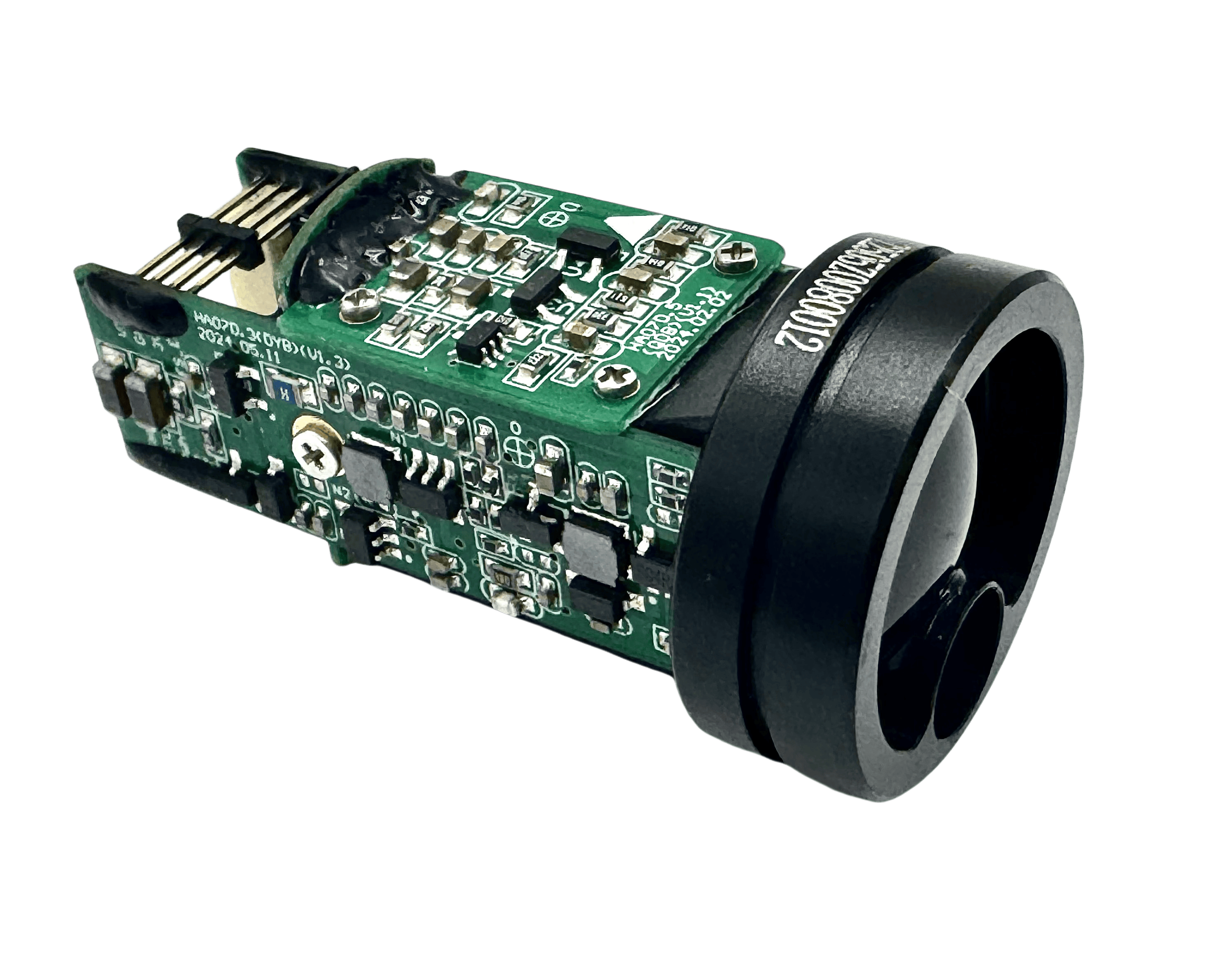 905nm 1kmLaser Rangefinder Module
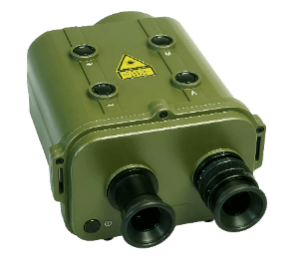 1064nm 20km/25kmLaser Rangefinding Telescopes
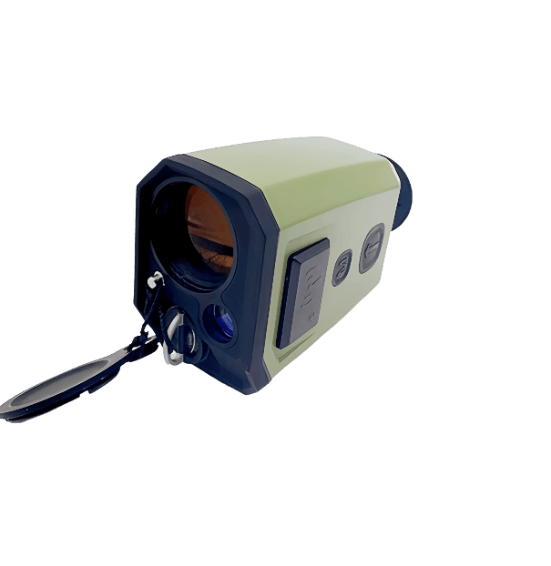 1535nm 3.5km-10kmLaser Rangefinding Telescopes
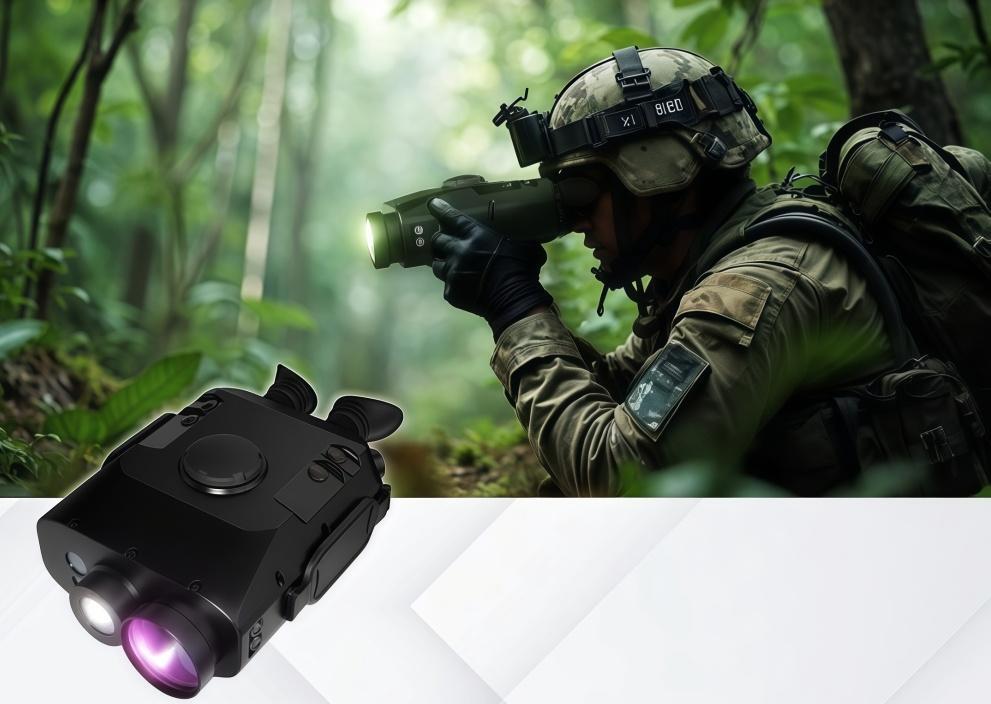 Multifunctional Binoculars 8kmInfrared & Laser Telescope
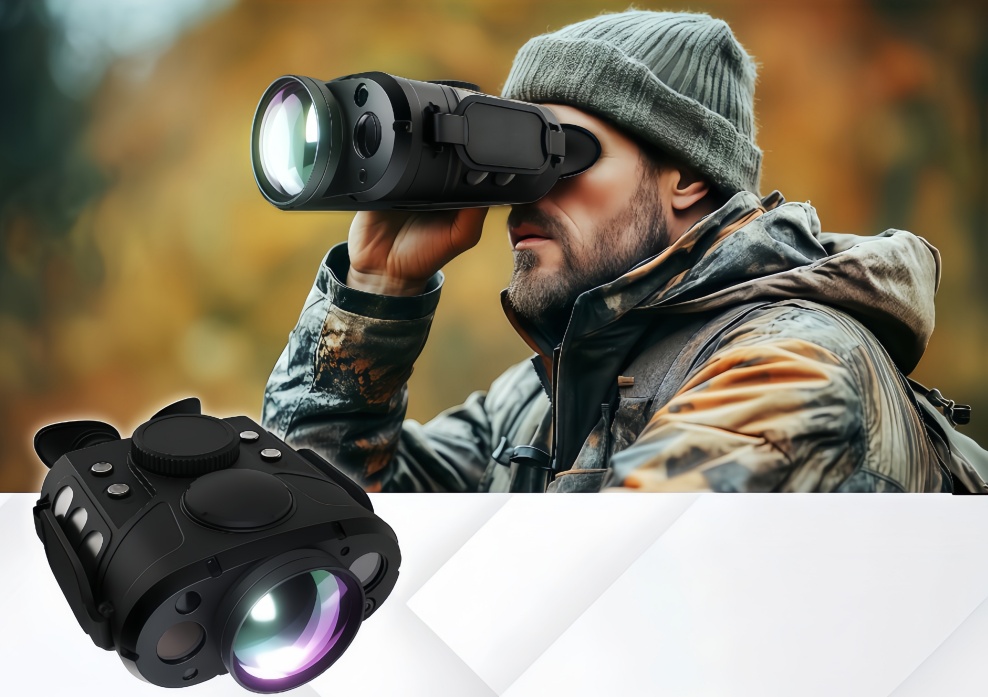 Multifunctional Binoculars 3kmInfrared & Laser Telescope
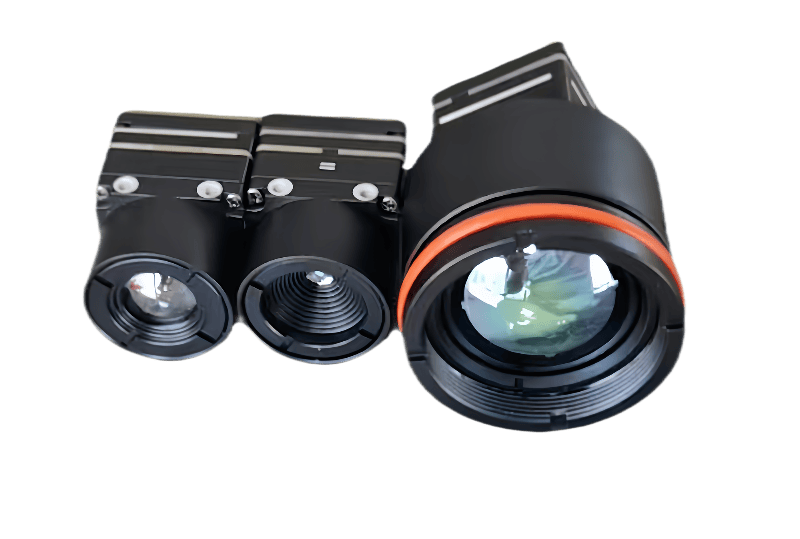 640 UncooledInfrared Module
 150A Single-AxisFiber Optic Gyroscope
 354A Tri-AxisFiber Optic Gyroscope
 - Blog
- Contact us
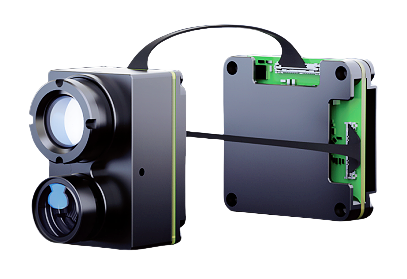

Beyond the Visual: Powering Industrial FPV with Laser & Infrared
The FPV technology has evolved beyond hobbyist racing drones to become a critical tool in industrial inspections, security surveillance, emergency rescue, and professional racing. However, three core pain points—low latency, all-weather adaptability, and precision control—have long limited its potential in high-stakes and extreme environments. Industrial-grade laser and infrared modules are emerging as the game-changing solution, directly addressing these challenges with tailored technical innovations. In this blog, we’ll dive into how laser/infrared technology integrates with FPV systems, key specifications, and scenario-specific solutions to elevate your FPV performance.
Introduction: The Rising Demand for Industrial-Grade FPV
From power line inspections and oil pipeline monitoring to border security and high-speed racing, FPV systems are no longer just “toys”—they’re mission-critical tools. Consumer-grade FPV modules often fall short in harsh conditions: delays cause operational lag, visible-light cameras fail at night or in fog, and fragile components can’t withstand extreme temperatures or electromagnetic interference. Industrial-grade laser and infrared modules bridge these gaps, turning FPV from a “nice-to-have” into a “reliable workhorse” by focusing on three core goals: faster response, clearer vision in any environment, and more precise control.
Core FPV Pain Points & Targeted Laser/Infrared Solutions
FPV’s performance bottlenecks are directly addressed by the technical advantages of laser and infrared modules. Below is a breakdown of key pain points and how our industrial-grade components provide actionable solutions.
1. Low Latency: Real-Time Sync for Precision Control
n The Pain Point
Latency is make-or-break for FPV: consumer-grade systems (e.g., racing drones) require ≤20ms latency, while industrial applications (power inspection, fire rescue) demand ≤10ms—any delay leads to “command lag” in obstacle avoidance or positioning. Traditional 2.4G/5.8G RF transmission is prone to electromagnetic interference (EMI), causing unstable latency and mismatched data between video feeds and sensor data.
n The Solution: Laser & Infrared Modules with Ultra-Fast Response
TOF Laser Rangefinder: Adopts Time-of-Flight technology with a response time of ≤5ms (racing-grade models reach ≤1ms) and 100Hz sampling rate. Fully compatible with low-latency FPV transmitters (e.g., DJI O3, analog FPV 1080p/60fps), it synchronizes “video + distance data” in milliseconds for real-time obstacle avoidance.
Example: “Our compact, low-power TOF laser rangefinder supports 100Hz sampling, seamlessly integrating with ≤10ms latency FPV systems to deliver instant distance feedback for precise maneuvering.
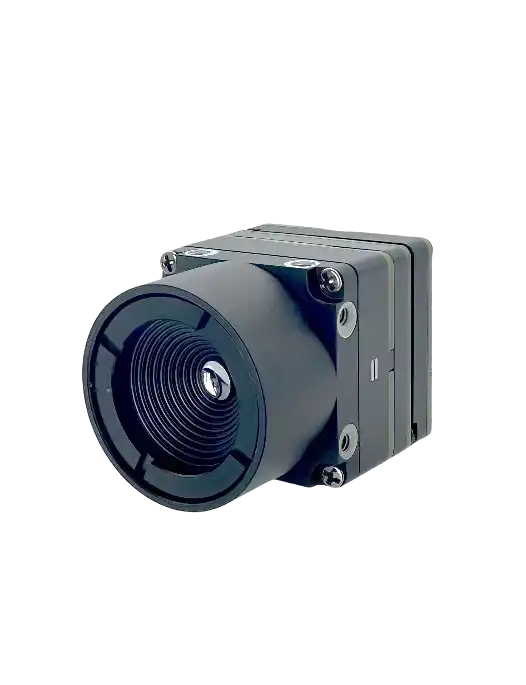
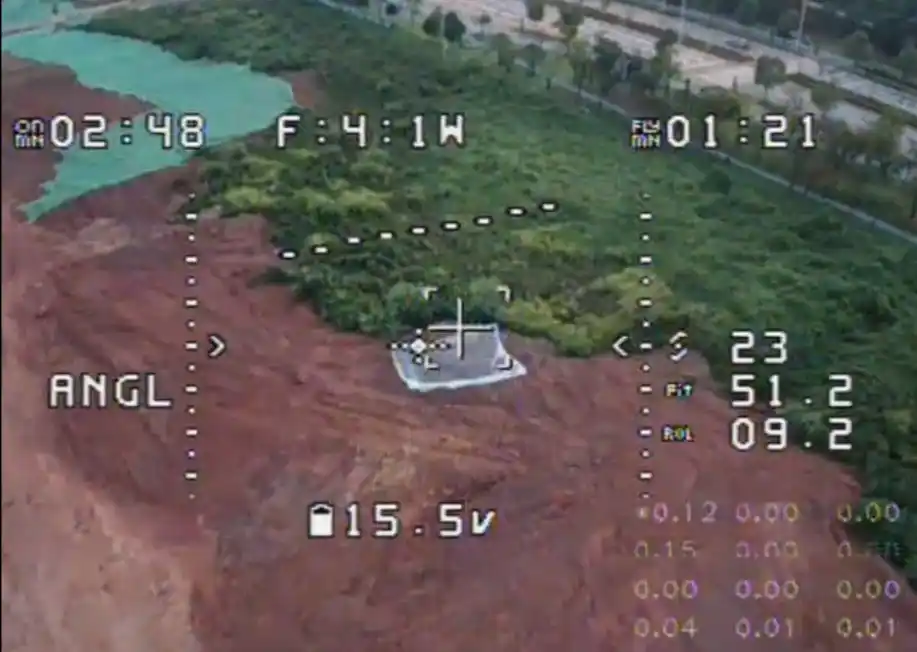
High-Frame-Rate Infrared Thermal Module: Uses Uncooled VOx microbolometer chips with ≥30fps (industrial-grade ≥60fps) to eliminate motion blur. Unlike consumer-grade 15fps modules, our 60fps infrared module ensures smooth footage even for Industrial FPV drones flying at 150km/h+ (ideal for racing or high-speed inspections).
 |  |
 |
2. All-Weather Imaging: See Clearly Day & Night, Rain or Shine
n The Pain Point
Traditional FPV relies on visible-light cameras, which fail in low-light (night), harsh weather (fog, smoke), or low-contrast environments (grasslands, deserts). Industrial users need consistent visibility to detect faults (e.g., overheated power lines) or targets (e.g., fire sources) regardless of conditions.
n The Solution: Infrared Fusion + Laser-Assisted Imaging
Mid-Wave Infrared(MWIR) Thermal Module:
Key Specs: NETD (Thermal Sensitivity) ≤25mK (detects tiny temperature differences between targets and backgrounds) and 8-14μm spectral range (penetrates fog, smoke, and dust—unlike consumer-grade 3-5μm short-wave infrared).
Value Proposition: “Our 8-14μm MWIR module lets Industrial FPV drones penetrate heavy fog during industrial inspections and spot overheated electrical components at night.”
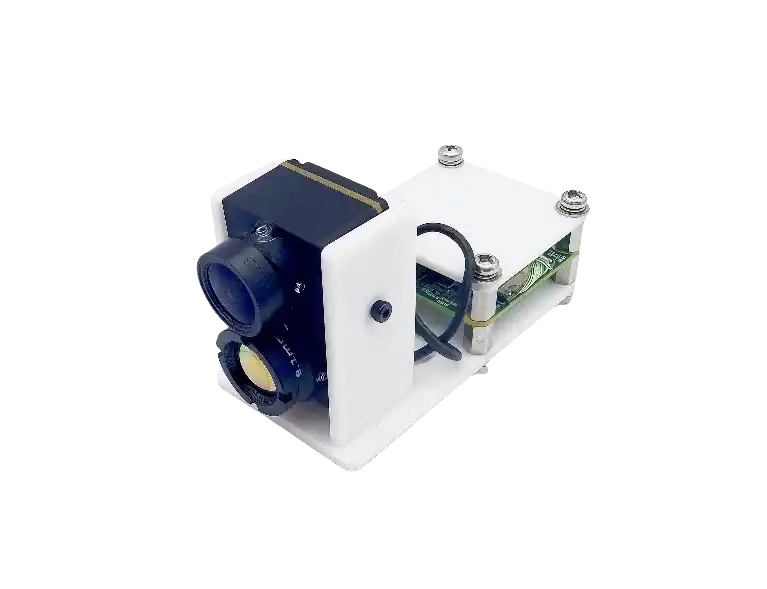
Dual-Image Fusion: Combines infrared thermal data with visible-light footage in real time (via dual-channel FPV transmitters). The output—“thermal highlights + visible details”—helps operators identify both targets (e.g., hot pipe leaks) and surrounding environments (e.g., tower structures) simultaneously.
Invisible Laser Fill Light: Integrates 850nm/940nm infrared laser modules (1-5W, 50-200m range) to enhance visible-light camera performance at night. The invisible light avoids exposing surveillance equipment (critical for security FPV) while improving image clarity.
3. Precision Positioning & Obstacle Avoidance: No More GPS Dependency
n The Pain Point
GPS/Beidou positioning has ≥1m error, insufficient for precise tasks like navigating narrow tunnels or hovering near high-voltage lines(e.g., line alignment during power inspections). Pure visual obstacle avoidance fails on textureless surfaces (white walls, water), leaving FPV systems vulnerable to collisions.
n The Solution: Laser Rangefinders & LiDAR for FPV
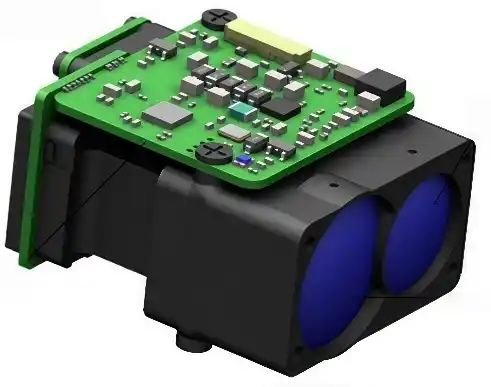
High-Precision FPV laser module:
Key Specs: Measuring range 125px-200m (adapts to indoor robots and outdoor drones), ±25px accuracy (outperforming consumer-grade ±75px modules), and dual trigger modes (continuous 100Hz sampling for high-speed flight; on-demand triggering for low-power hovering).
Seamless Integration: Uses UART/SPL interfaces to communicate directly with FPV flight controllers (e.g., Betaflight, iNav), feeding distance data into obstacle avoidance algorithms (e.g., “auto-decelerate and reroute when an obstacle is detected 5m ahead”)—no extra processors needed.
 | 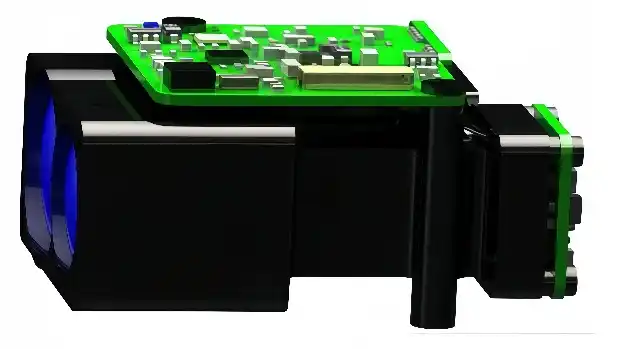 |
NTLRA200M | |
Wavelength | 905nm±10nm@25℃ |
Blind Zone | ≤0.05m |
Range (Large Target, m) | ≥200m (target reflectivity ≥ 50%, visibility ≥ 5km, relative humidity ≤ 60%); |
Accuracy(m) | ≤±0.05m(≤10m),≤0.1m(>10m) |
Pulse Repetition Frequency(Hz) | b) Acquisition Frequency: 1–20KHz, adjustable. The output frequency is fed back based on the target reflectivity; when the reflectivity is low, the output frequency is lower than the acquisition frequency. |
Operating Temp. | -40℃~+65℃ |
Storage Temp. | -50℃~+85℃ |
Communication Interface | 3.3V TTL/RS422 (select one) |
Baud Rate | 921600bps/460800bps (default) /256000bps/115200bps/57600bps/38400bps/19200bps adjustable |
Supply Voltage (DC, V) | Typical value: DC 24 V |
Power Consumption(W) | ≤2W |
Dimensions(mm) | ≤33×25×46mm |
Weight(g) | ≤50g |
3D LiDAR for Industrial FPV: For high-end applications (oil pipeline inspections, mine mapping), 16/32-channel LiDAR modules deliver ≥100,000 points/sec point cloud density and 360° horizontal/±15° vertical detection. Combined with FPV transmitters and IMUs, it enables SLAM (Simultaneous Localization and Mapping) for GPS-denied environments (tunnels, indoor spaces).
4. Extreme Environment Adaptability: Industrial-Grade Durability
n The Pain Point
Industrial FPV operates in harsh conditions: desert heat (+85℃), polar cold (-40℃), high humidity (marine surveillance), and strong EMI (power substations). Consumer-grade modules suffer from performance loss or data loss in these scenarios.
n The Solution: Ruggedized Laser & Infrared Modules
Wide Temperature Range: -40℃~+85℃ operation (using military-grade capacitors and low-temperature startup chips), outperforming consumer-grade 0℃~+60℃ modules.
ü Our infrared modules works reliably in polar regions and deserts, ensuring uninterrupted FPV performance in extreme temperatures, real-time identification of over 30-50 dynamic targets within the field of view.
EMI Shielding & Certifications: CE/FCC-certified with shielded enclosures and differential signal transmission to resist RF interference—critical for power substation or radar station inspections.
IP67/IP68 Waterproof/Dustproof: Sealed with adhesive and waterproof connectors, modules can be mounted externally on FPV UAV without extra protective cases, reducing weight (a key factor for drone payloads).
Technical Parameters Overview | Thermal Imagine Infrared Modules | |||
Overview | ||||
Detector Type | Vanadium Oxide Uncooled Infrared Focal Plane Detector | |||
Resolution | 256×192 | 384×288 | 640×512 | |
Detector Frame Rate | 25/50Hz | 30/60Hz | ||
Pixel Pitch | 12μm | |||
Response Waveband | 8~14μm | |||
Noise Equivalent Temperature Difference(NETD) | ≤40mK @25°C, F/1.0, 25Hz | |||
Thermal Time Constant | <12ms | |||
Image Adjustment | ||||
Non-uniformity Correction | Shutter correction / Non-blocking algorithm correction | |||
Brightness/Contrast Adjustment | 0~100 steps optional | |||
Polarity/Pseudo-color | White-hot / Black-hot / Supports multiple pseudo-colors | |||
Electronic Zoom | 1.0~8.0x continuous zoom (step size 0.1) | |||
Image Mirroring | Up-down / Left-right / Diagonal | |||
Electrical Parameters | ||||
Analog Video | PAL / NTSC | |||
Digital Video | DVP / BT656 / USB2.0 / MIPI | |||
Communication Interface | UART / I2C / USB2.0 | |||
Power Input | 5V | |||
Typical Power Consumption (USB Output)@25°C | <0.35W | <0.42W | <0.7W | |
Physical Characteristics | ||||
Weight (Without Lens) | <7g | <7g | <8.6g | |
Dimensions (Without Lens) | 21×21×10.3mm | |||
Environmental Adaptability | ||||
Operating Temperature | -40°C ~ +80°C | |||
Storage Temperature | -50°C ~ +85°C | |||
Humidity | 5% ~ 95%, non-condensing | |||
Vibration | 6.06g, random vibration, all axes | |||
Shock | 80g @4ms, post-peak sawtooth wave, 3 axes, 6 directions | |||
Note1: Pin numbering in the table corresponds to the pin name sequence.
Note2: DVP and IIC slave voltages default to 1.8V and can be switched to 3.3V via command.
Note3: UART0, UART1, and IIC master voltages are fixed at 3.3V and cannot be switched.
Note4: Hardware descriptions are for reference only. Contact technical support for detailed development materials.
Note5: CVBS(Supports RS-170 analog video output) only supports black and white hot switching.
Scenario-Specific FPV + Optoelectronic Module Solutions
To help you quickly match solutions to your needs, we’ve curated three ready-to-deploy packages for high-demand use cases:
1. Industrial Inspection Drone (Power, Oil & Gas, Mining)
Core Configuration: TOF Laser Rangefinder (125px-200m, ±25px accuracy) + MWIR Thermal Module (640x512 pixels, ≤25mK NETD) + 32-Channel LiDAR + ≤10ms Low-Latency Transmitter.
Key Benefits: Detects overheated components/fuel leaks via infrared, maintains safe distances with laser rangefinders, and navigates tunnels without GPS using LiDAR SLAM. Data (temperature + distance + coordinates) overlays on FPV feeds for real-time decision-making.
2. Security Surveillance FPV (Border, Campus, Marine)
Core Configuration: 940nm Infrared Fill Light (3W, 100m range) + HD Visible-Light Camera + Short-Range Laser Obstacle Avoidance Module (125px-50m, 500Hz sampling).
Key Benefits: Invisible fill light enables stealthy night monitoring; short-range Fpv laser modules detect branches/walls and trigger auto-rerouting, ensuring continuous surveillance.
3. Racing FPV UAVS (High-End Consumer/Professional)
Core Configuration: High-Frame-Rate Infrared Module (1280x720 pixels, 60fps) + Mini Laser Rangefinder (125px-100m, 1ms response).
Key Benefits: 60fps infrared avoids motion blur at 150km/h+ speeds; 10x10x5mm mini laser rangefinder meets lightweight requirements while providing real-time obstacle distance feedback for precision racing.
Technical Specification Comparison: Consumer-Grade vs. Industrial-Grade
Technical Indicator | Consumer-Grade FPV Modules | Our Industrial-Grade Optoelectronic Modules | Competitive Advantage |
Infrared Thermal NETD | ≥50mK | ≤25mK | Detects finer temperature differences |
Laser Rangefinder Response Time | ≥10ms | ≤5ms (≤1ms for racing) | Matches low-latency FPV control |
Operating Temperature | 0℃~+60℃ | -40℃~+85℃ | Stable performance in extreme environments |
Laser Rangefinder Accuracy | ±75px | ±25px | Industrial-grade precision for positioning/avoidance |
Infrared Frame Rate | 15-30fps | 30-60fps | No motion blur for high-speed FPV |
Why Choose Our Laser & Infrared Modules for FPV?
Tailored for FPV: Every parameter (response time, size, power consumption) is optimized for FPV systems, ensuring plug-and-play compatibility with popular flight controllers and transmitters.
Industrial-Grade Reliability: IP67/IP68 protection, wide temperature range, and EMI shielding make our modules suitable for the harshest work environments.
Scenario-Driven Innovation: From 1ms response for racing to 8-14μm infrared for inspections, we design solutions for your specific use case—not one-size-fits-all.
Elevate Your FPV with Industrial-Grade Optoelectronics
FPV’s next era is defined by low latency, all-weather visibility, and precision control—and laser/infrared modules are the foundation of this evolution. Whether you’re building industrial inspection drones, stealthy security FPV systems, or high-speed racing machines, our modules address the core pain points that hold consumer-grade solutions back.
Ready to transform your FPV system? Contact our team today for a customized solution tailored to your application. Let’s turn “good enough” into “mission-ready.”
If you have more great ideas, suggestions or insights, feel free to get in touch with us anytime to share and discuss.
[✅ Contact Our Sales Engineers Now for the Latest Quote and Sample Information]
[📧 Send Your Project Requirements to: marketing@newtron-tech.com]
Keywords: FPV laser module, infrared thermal imaging for FPV, low latency FPV, industrial FPV drone, FPV obstacle avoidance, all-weather FPV









Fill in your e-mail: