


- Home
- About us
- ProductsProduct Classification
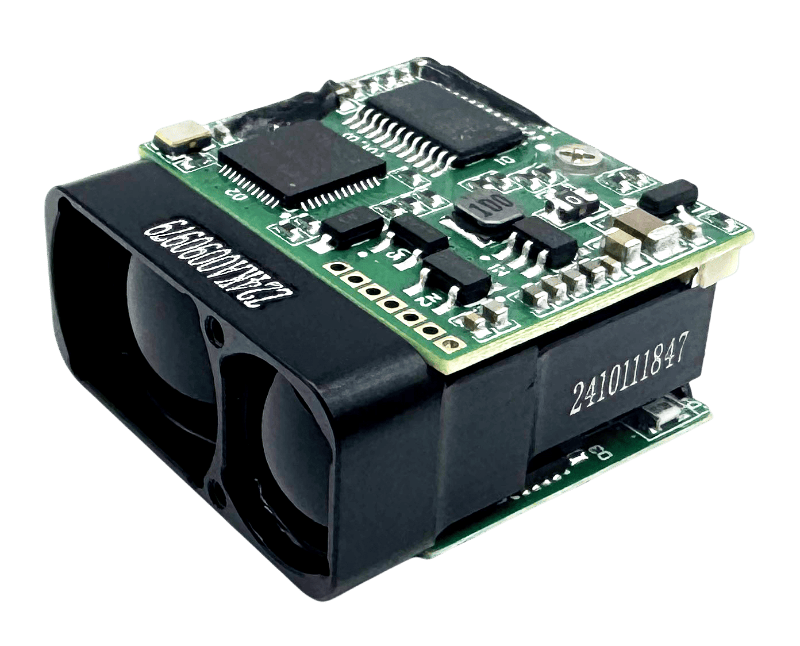
905nm B 1.5kmLaser Rangefinder Module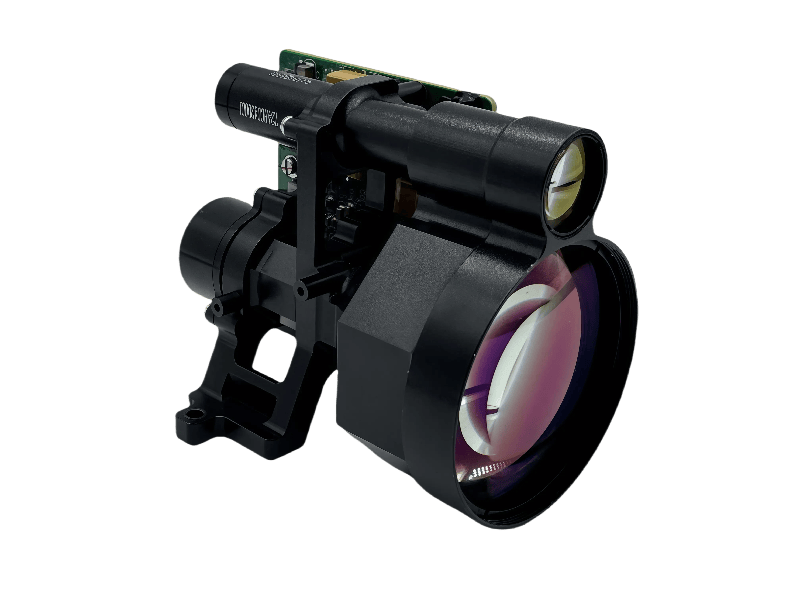
10.5km High-Accuracy 1535nmLaser Rangefinder Module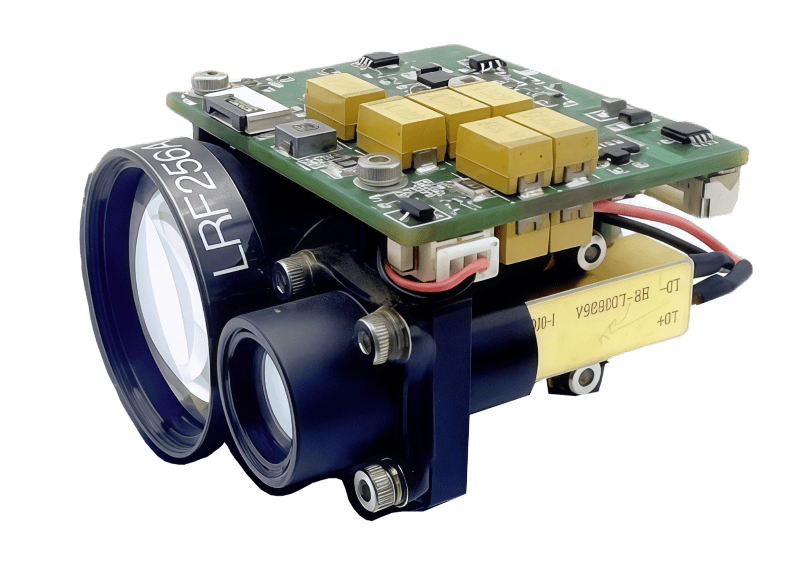 1535nm B 8kmLaser Rangefinder Module
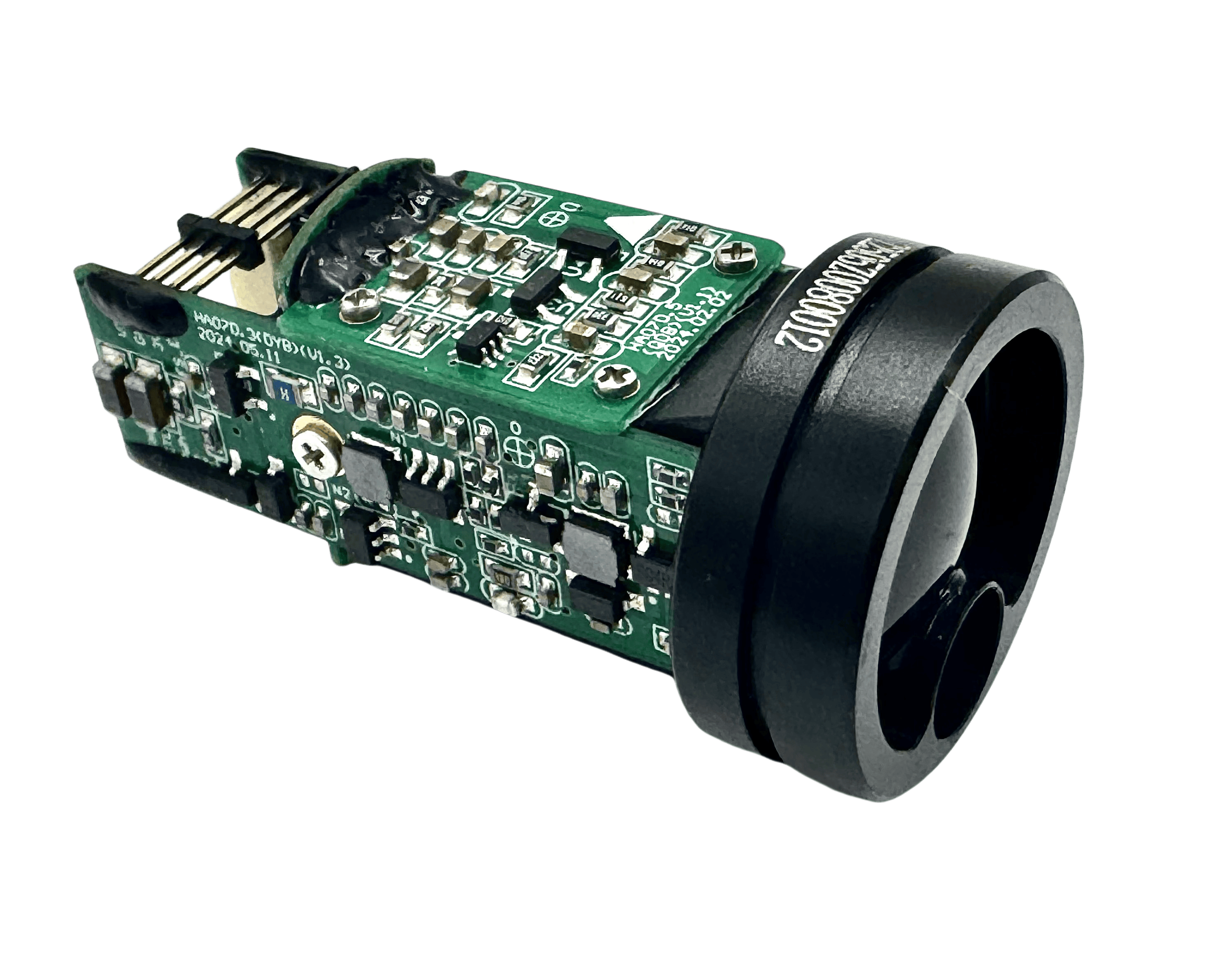 905nm 1kmLaser Rangefinder Module
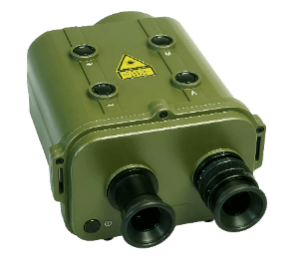 1064nm 20km/25kmLaser Rangefinding Telescopes
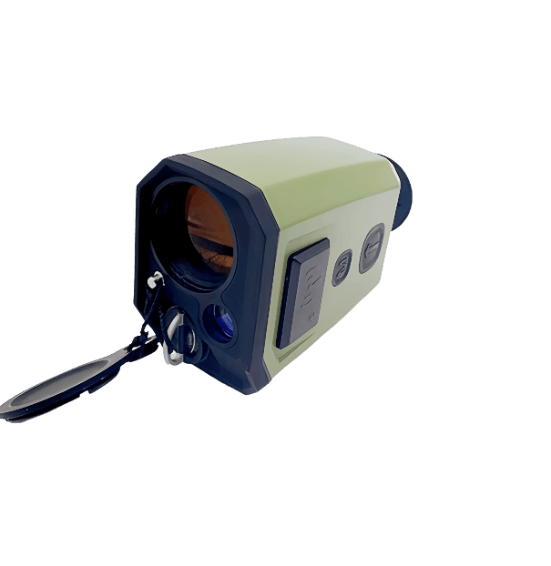 1535nm 3.5km-10kmLaser Rangefinding Telescopes
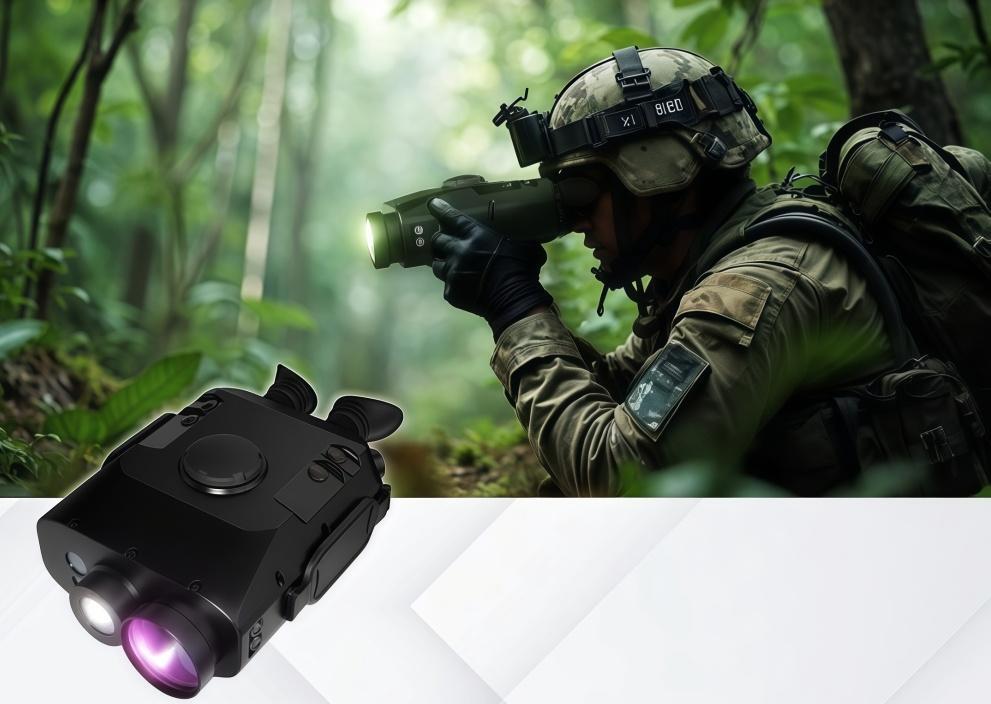 Multifunctional Binoculars 8kmInfrared & Laser Telescope
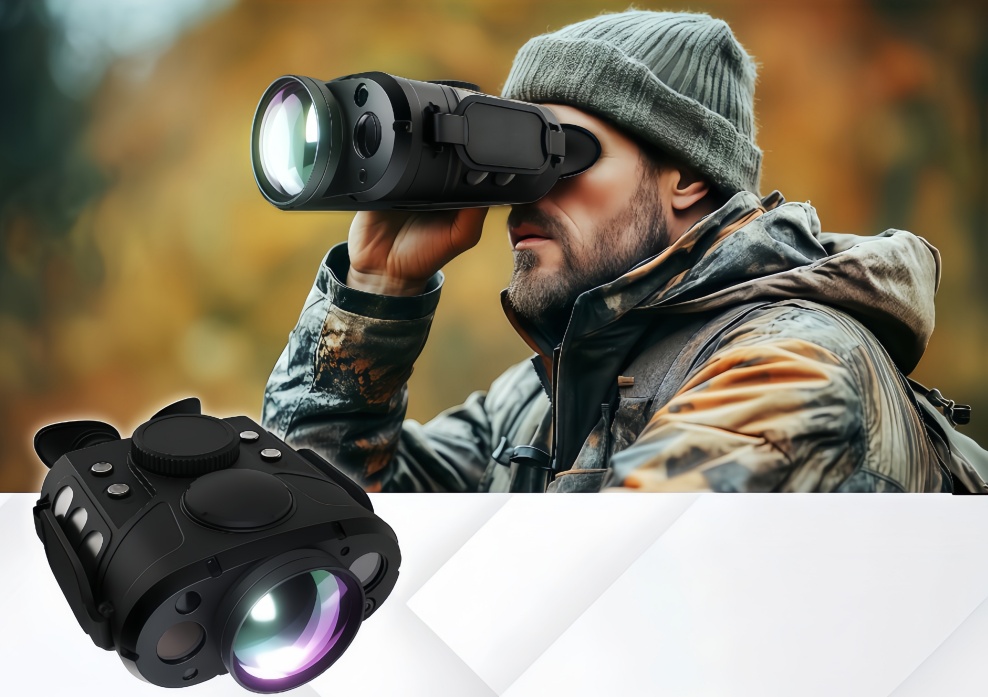 Multifunctional Binoculars 3kmInfrared & Laser Telescope
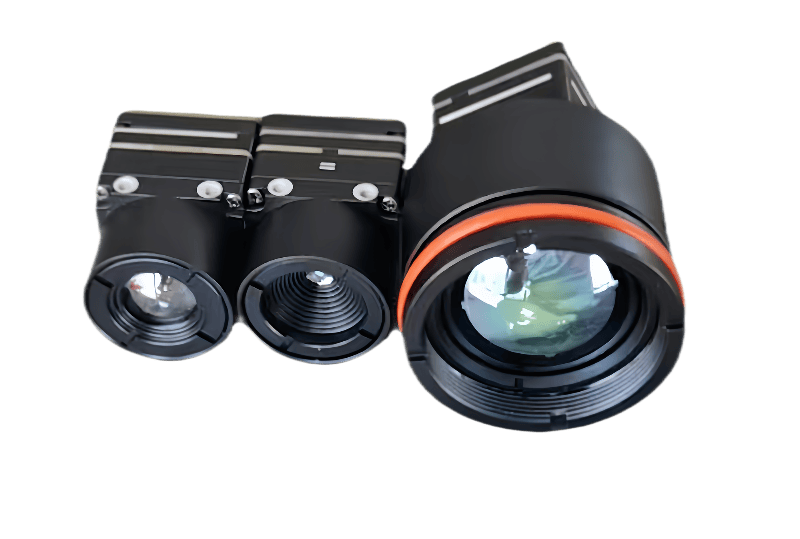 640 UncooledInfrared Module
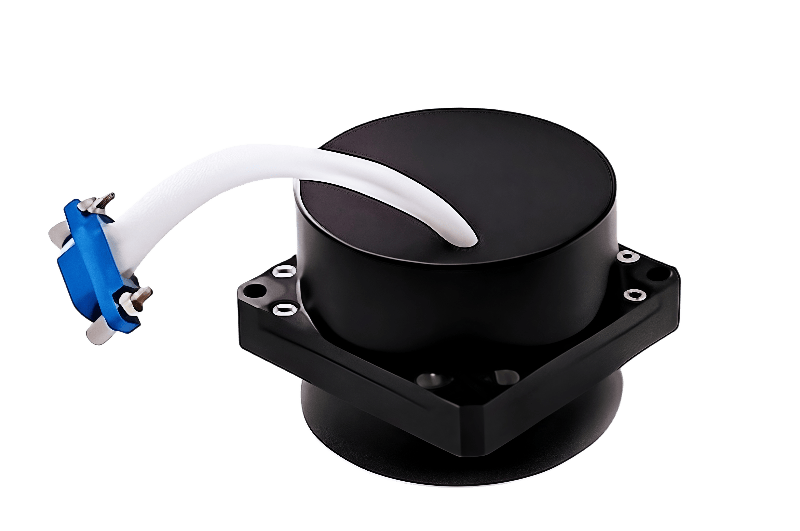 150A Single-AxisFiber Optic Gyroscope
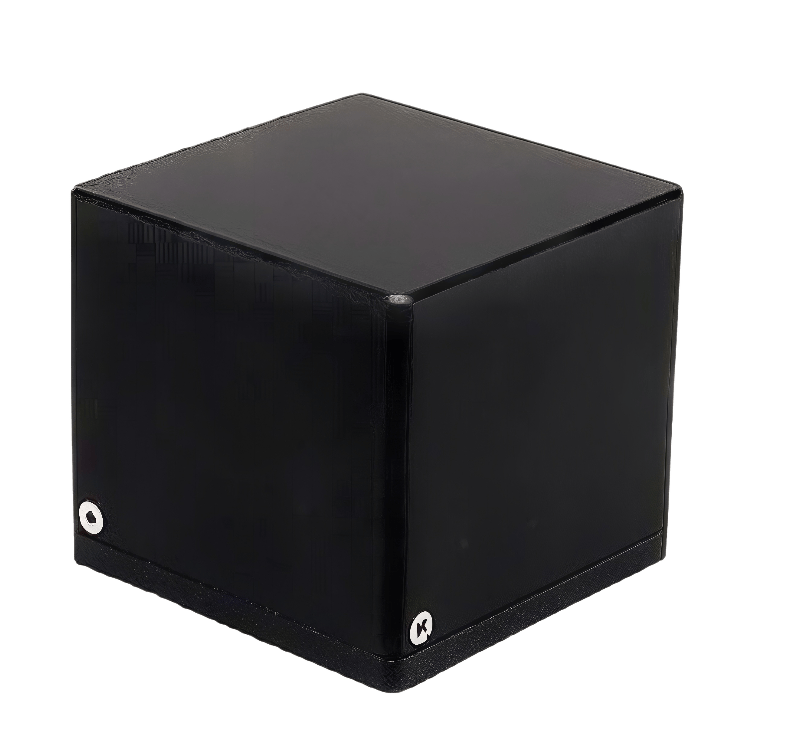 354A Tri-AxisFiber Optic Gyroscope
 - Blog
- Contact us
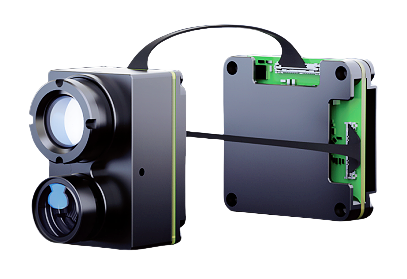
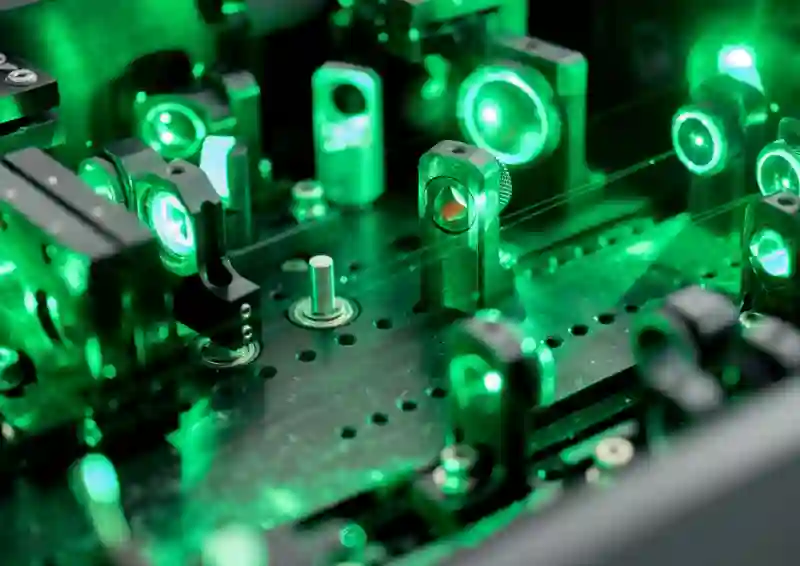
Laser Product Safety Standards & Guidelines: IEC 60825 & GB/T7247 Compliance(905nm/1535nm/1570nm/1064nm)
(Applicable to Industrial, Scientific Research, Security & Other Laser Equipment)
Laser Wavelength | Generation Principle (Energy Level Transition / Pumping Method) | Core Materials (Gain Medium) | Associated Applications & Safety Challenges |
905nm | 1. Near-infrared band, based on semiconductor "interband transition": Electrons undergo stimulated emission between the conduction band and valence band of semiconductors, with photon energy corresponding to 905nm wavelength (E=hc/λ≈1.37eV); 2. Pumping method: Electrical injection (direct forward voltage application, no external light source required), featuring high efficiency and fast response. | 1. Mainstream: InGaAs/AlGaAs quantum well materials (Indium Gallium Arsenide/Aluminum Gallium Arsenide), with wavelength precisely controlled by adjusting material composition; 2. Packaging form: Semiconductor Laser Diode (LD), compact and low-power, suitable for the portability requirements of LiDAR and range finders. | Applications: LiDAR, security detectors (typical applications mentioned earlier). The semiconductor structure enables high-frequency pulsed output, meeting the fast response requirements of distance measurement. Safety Challenge: High-peak-power invisible pulsed light, which is difficult to protect against. |
1535nm | 1. Near-infrared communication band (C-band), based on rare earth ion "energy level transition" (fiber laser) or semiconductor "interband transition" (LD); 2. Fiber laser: Erbium ions (Er³⁺) are excited by pumping light (980nm/1480nm) to transition from the ground state (⁴I₁₅/₂) to the high energy level (⁴I₁₃/₂), and release 1535nm photons when returning to the ground state via stimulated emission; 3. Semiconductor laser: Electrical injection pumping, with quantum well energy level difference matching 1535nm. | 1. Fiber laser: Erbium-doped Fiber (EDF), where erbium ions serve as the core luminous center, and the fiber acts as both the gain medium and laser conductor; 2. Semiconductor laser: InGaAsP/InP quantum well materials (Indium Gallium Arsenide Phosphide/Indium Phosphide), compatible with the low-loss window of fiber optic communication. | Applications: Fiber optic communication, medical equipment (typical applications mentioned earlier). Erbium-doped fiber lasers offer stable output power, and InGaAsP/InP LDs are suitable for miniaturized communication modules. Safety Challenge: In seemingly enclosed fiber optic systems, improper end-face handling can lead to highly hazardous invisible light leakage. |
1570nm | 1. Near-infrared L-band, with the same principle as 1535nm: Both rely on "Stark splitting" transition of erbium ions (Er³⁺) (a single high energy level splits into multiple sub-levels, extending the radiation wavelength to 1570nm); 2. Pumping method: Optical pumping (980nm LD pumping erbium-doped fiber) or electrical injection (semiconductor LD). | 1. Fiber laser: Erbium-doped Fiber (EDF), with enhanced L-band (1565-1625nm) radiation by optimizing fiber doping concentration and length; 2. Semiconductor laser: InGaAsP/InP quantum well materials (wavelength matching 1570nm by adjusting quantum well width). | Applications: Free-space optical communication, industrial micromachining (typical applications mentioned earlier). The L-band is less affected by fiber dispersion, making it suitable for long-distance communication; the beam is easily absorbed by water, enabling precise energy deposition for micromachining. Safety Challenge: In seemingly enclosed fiber optic systems, improper end-face handling can lead to highly hazardous invisible light leakage. |
1064nm | 1. Infrared band, mainly based on solid-state laser "energy level transition" or fiber laser "energy level transition": - Solid-state laser: Neodymium ions (Nd³⁺) are excited by pumping light (flash lamp/808nm LD) to transition from the ground state (⁴I₉/₂) to the high energy level (⁴F₃/₂), and release 1064nm photons when returning to the metastable state (⁴I₁₁/₂) via stimulated emission; - Fiber laser: Ytterbium ions (Yb³⁺) are pumped by 976nm LD to transition from ²F₇/₂ to ²F₅/₂, generating 1064nm photons through stimulated emission; 2. Pumping method: Optical pumping for most solid-state lasers and fiber lasers, with industrial-grade equipment power ranging from tens of watts to kilowatts. | 1. Solid-state laser: Nd:YAG crystal (Neodymium-doped Yttrium Aluminum Garnet, Nd³⁺-doped Y₃Al₅O₁₂ crystal), featuring excellent thermal stability and high gain; 2. Fiber laser: Ytterbium-doped Fiber (YDF), with high ytterbium ion doping concentration suitable for high-power output; 3. Low-power indicator type: GaAs/AlGaAs semiconductor materials (electrical injection, power <0.5mW). | Applications: Industrial cutting/welding, laser marking (typical applications mentioned earlier). Nd:YAG crystals are suitable for high-power pulsed output, while ytterbium-doped fiber lasers excel in continuous-wave industrial processing,both meeting high energy density requirements. Safety Challenge: The most severe among all wavelengths. High-power, invisible, and capable of causing injury via diffuse reflection, accompanied by secondary hazards such as fire and intense plasma radiation. |
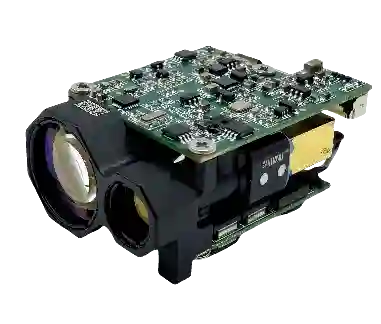
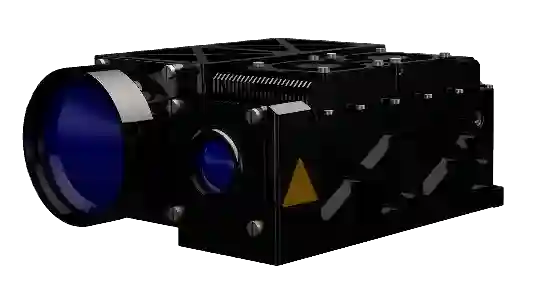

905nm 2000m 1535nm 3000nm 1064nm 4.5km uav
1. Safety Range Analysis of 905nm/1535nm/1570nm/1064nm Laser Devices
All four wavelengths (905nm, 1535nm, 1570nm, 1064nm) fall within the standard coverage range of 180nm~1mm (core applicable interval of IEC 60825 and GB/T 7247). Their safety range is primarily determined by the output power/energy corresponding to safety classes, rather than the wavelength itself. However, the physiological hazard characteristics of infrared/near-infrared wavelengths (all invisible light) — such as the damage threshold of the eye's cornea and retina — affect the calculation of AEL (Accessible Emission Level) limits. The final safety class must be determined based on the wavelength-corrected AEL. Detailed analysis is as follows:
Laser Wavelength | Common Safety Classes (By Application Scenarios) | Core Safety Range (AEL Limits for Corresponding Classes, Based on IEC 60825-1:2014+AMD2:2020) | Typical Applications | Core Safety Class Features |
905nm | Class 1M / Class 3R / Class 3B | - Class 1M: AEL ≤ Class 1 limits (eye-safe for naked eyes, hazardous under optical magnification) - Class 3R: AEL ≤ Class 3R limits (≤5mW, eye damage from short-term exposure) - Class 3B: AEL ≤ Class 3B limits (≤500mW, severe eye damage from direct exposure) | LiDAR, Range Finders, Security Detectors | Low-power models are mostly Class 1M (relying on naked-eye safety); medium-to-high power models upgrade to Class 3R/3B. No Class 2/2M (invisible light, no blink reflex protection). |
1535nm | Class 3B / Class 4 | - Class 3B: AEL ≤ 500mW (eye damage from direct exposure, low skin risk) - Class 4: AEL >500mW (blindness from direct/diffuse reflection, skin burn risk) | Fiber Optic Communication, Scientific Research, Medical Equipment | Near-infrared band; the eye's lens absorbs it more strongly. Higher eye damage risk than visible light at the same power. High-power models easily reach Class 4. |
1570nm | Class 3B / Class 4 | Consistent with 1535nm (same near-infrared band, no significant difference in wavelength-corrected AEL limits) | Free-Space Optical Communication, Industrial Micromachining | Beam is easily absorbed by water; slightly higher skin burn risk than 1535nm. Class 4 models require strict prevention of beam contact with skin. |
1064nm | Class 3B / Class 4 | - Class 3B: AEL ≤ 500mW - Class 4: AEL >500mW (most industrial models are Class 4, with output power often ranging from several watts to tens of watts) Note: Ultra-low power 1064nm lasers (e.g., <0.5mW) for indication or ranging may also be Class 1 or Class 2 (if devices are at the edge of the visible spectrum). | Industrial Cutting/Welding, Laser Marking, Scientific Lasers | Infrared band with strong penetration and low retinal damage threshold. Diffuse reflection (e.g., from metal surfaces) of Class 4 models also poses blindness risk; high fire hazard. |
2. Core Usage Precautions
2.1 Personal Protective Equipment (PPE): Must Match Wavelength & Power — No Substitution Allowed
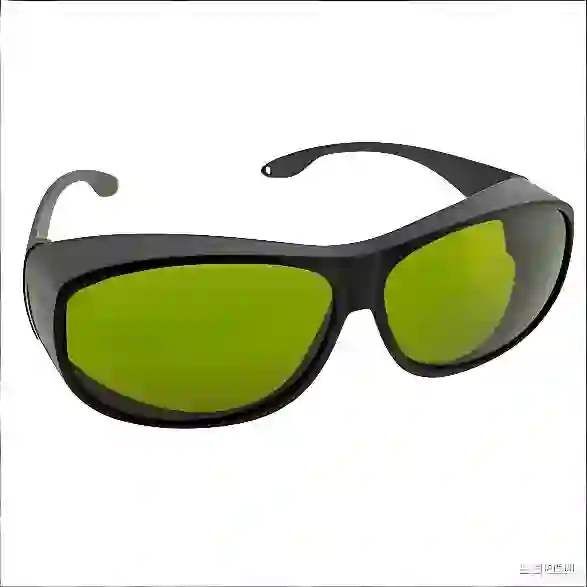
Specialized Infrared Laser Safety Goggles: Mandatory for all wavelengths. Requirements include:
Clear marking of protective wavelength range (must cover the laser wavelength in use,e.g., "Compatible with 905nm/1064nm/1535nm/1570nm");
Optical Density (OD) meeting the requirements of the corresponding safety class (calculated based on the maximum possible output power (MPE) and expected exposure time of specific equipment. Minimum OD value: ≥5 for Class 3B, ≥6 for Class 4);
Never substitute with regular glasses or visible light goggles.
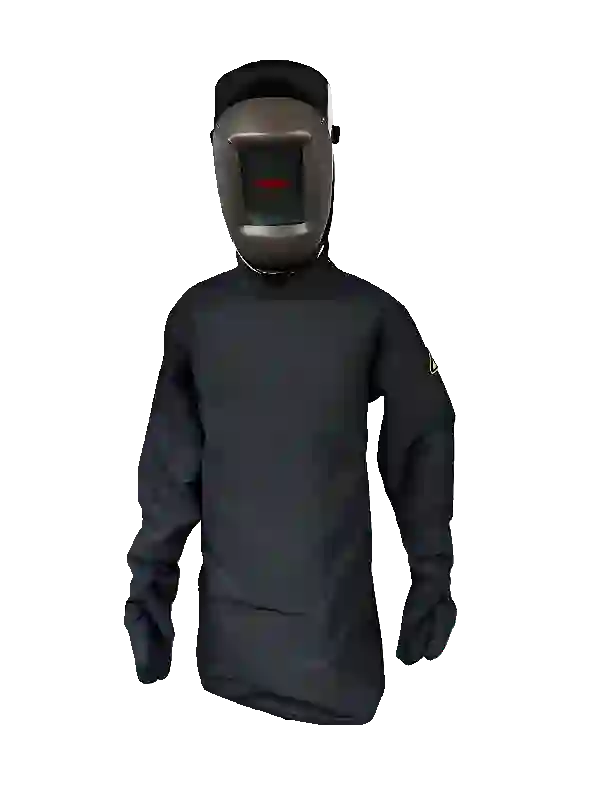
Class 4 Equipment Operation: Additional PPE required:
Flame-retardant protective clothing (to prevent high-temperature burns from 1064nm/1570nm lasers);
Cut-resistant gloves (to avoid contact with high-temperature workpieces after laser processing);
Laser safety screens (thickness ≥5mm, absorption rate ≥99% for the target wavelength) in the operation area.
For invisible light,accidental reflected or scattered light from the side is equally dangerous. Prioritize goggles with side shields.
2.2 Operating Environment: Targeted Mitigation of Invisible Light Risks
Designated Safety Zone: Since lasers are invisible, use guardrails + bilingual warning signs (Arabic + English, adapted for Middle East scenarios) to define hazardous areas. Mark "Invisible Laser Radiation — No Entry" and equip with laser beam indicators (to assist in judging beam paths).
Remove Reflective Objects: Focus on removing strong reflective surfaces such as metal tools, glass, water surfaces, and polished workpieces (905nm/1064nm lasers have a reflectivity of over 80% on metal surfaces, easily forming secondary radiation). Use black matte light-absorbing materials for floors/walls. For Class 4 lasers, additionally set up enclosed beam paths (e.g., using beam tubes) to fully confine the beam within a safety housing.
Special Environment Adaptation:
High-temperature and dry environments in the Middle East: Class 4 equipment requires enhanced heat dissipation (to prevent power runaway of high-power 1064nm lasers due to overheating) and regular cleaning of laser emission ports (to avoid fire caused by dust focusing).
Fiber optic communication scenarios (1535nm/1570nm): Always cover fiber end faces with protective caps. Immediately activate the APR (Automatic Power Reduction) function when connectors fall off (compliant with GB/T 7247.2 requirements).
2.3 Equipment Operation & Maintenance: Strictly Follow Classified Specifications
Pre-job Training: Operators must complete IEC 60825 standard training, master the risk characteristics of invisible lasers (beams cannot be detected by the naked eye; laser power meters are required to check for leaks), and be familiar with emergency shutdown procedures.
Startup/Shutdown Procedures:
Before Startup: Check equipment grounding (to prevent electrostatic interference from high-power 1064nm devices), safety interlock devices (automatic shutdown when the protective cover is opened, compliant with GB/T 7247.1 requirements), calibrate output power with a power meter, and confirm it does not exceed the AEL limit of the corresponding class.
After Shutdown: Allow Class 4 equipment to cool down for 10~15 minutes. Follow the sequence: "First turn off the laser source → Then cut off the main power" to avoid accidental emission of residual energy.
Regular Calibration: Annually send equipment to authorized institutions for AEL value and beam stability calibration in accordance with IEC 60825-1 requirements; retain test reports. Inspect the optical performance of safety goggles (no scratches or cracks) monthly. Emphasize that power meter and energy meter probes must be suitable for the stated wavelengths, and verify their calibration validity before use. For multi-wavelength equipment, calibration must cover all operating wavelengths.
2.4 Emergency Handling: Targeted Response to Wavelength-Specific Injuries
Eye Injuries: Regardless of the wavelength, immediately stop operation if accidental exposure occurs. Do not rub the eyes (infrared damage may manifest delayed, e.g., 1064nm lasers can cause retinal edema). Seek medical attention immediately and inform the doctor of "laser wavelength + exposure time + equipment power class." Prioritize institutions with diagnostic and treatment capabilities for infrared laser injuries (contact international medical centers in the Middle East).
Key Note on "Painless Injury": Retinal damage caused by near-infrared/infrared lasers may be painless during exposure, and vision loss may occur hours or even a day later. Therefore, even if no discomfort is felt after accidental contact, it should be treated as a medical emergency.
Skin Burns: 1064nm/1570nm lasers are prone to causing high-temperature burns. Rinse the wound with cold water (do not apply ice directly) and do not apply medication without authorization. Seek medical attention for severe burns.
Equipment Malfunctions: If beam deviation or abnormal noise occurs, immediately press the emergency stop button, cut off the power, and contact after-sales service (do not disassemble the equipment without permission, especially 1535nm/1570nm fiber optic devices, to avoid radiation leakage caused by contamination of fiber end faces).
Key Note on "Invisible Beam" Risk During Malfunctions: In case of malfunctions (e.g., beam deviation), the hazardous area may be unpredictable due to the invisible beam. Therefore, after an emergency shutdown, assume the entire potential beam path area is hazardous until the malfunction is resolved.
Comprehensive Guide to IEC 60825 International Standard (Core Safety Specifications for Laser Products)
IEC 60825, fully titled "Safety of Laser Products", is a series of laser product safety standards developed by the International Electrotechnical Commission (IEC). It serves as the global unified safety benchmark for the design, manufacturing, testing, certification, and use of laser equipment, widely applied in optoelectronics, laser technology, EOIR (Electro-Optical/Infrared) systems, and other fields.
1. Core Positioning & Development of the Standard
Issuing Body: IEC/TC 76 (Technical Committee on Optical Radiation Safety and Laser Equipment)
First Release: 1986, with multiple revisions to form a multi-part series
Core Objective: Establish a global unified laser product hazard classification system and safety requirements to protect personnel (eyes, skin) from laser radiation harm and regulate market access
Scope of Application: Covers all laser products with wavelengths ranging from 180nm to 1mm, from low-power indicators to high-power industrial lasers
2. Key Components of the Standard Series
Standard Number | Title | Version | Core Content |
IEC 60825-1 | Equipment Classification, Requirements, and User’s Guide | 2014+AMD2:2020 | Core foundation for laser product safety classification; defines Accessible Emission Level (AEL) and classification rules |
IEC 60825-2 | Safety of Optical Fiber Communication Systems | 2021 | Special safety requirements for optical fiber communication systems |
IEC 60825-4 | Safety of Laser Displays | 2022 | Safety specifications for laser projection and display equipment |
IEC 60825-12 | Safety of Free-Space Optical Communication Systems | 2022 | Safety requirements for wireless optical communication equipment |
IEC TR 60825-5 | Manufacturer’s Checklist | 2019 | Self-inspection guide to help manufacturers comply with IEC 60825-1 |
3. Core Classification System (IEC 60825-1)
The standard classifies laser products into 7 safety classes based on Accessible Emission Level (AEL), ranked from low to high risk:
Class | Chinese Name | Core Features | Safety Requirements | Typical Applications |
Class 1 | Class 1 (Harmless) | No hazard under normal use; AEL ≤ Class 1 limit | No special protection required; basic labeling | Laser printers, CD players |
Class 1M | Class 1M (Low Risk, Optically Amplification Sensitive) | Safe for naked eyes, but potentially harmful when viewed through optical instruments | Warning against viewing with optical amplification | Some laser rangefinders |
Class 2 | Class 2 (Visible Light, Protected by Blink Reflex) | Visible light range (400~700nm); AEL ≤ Class 2 limit | Protected by human eye blink reflex (0.25 seconds) | Laser pointers (≤1mW) |
Class 2M | Class 2M (Class 2 + Optically Amplification Sensitive) | Safe for naked eyes, potentially harmful when viewed through optical instruments | Same as Class 2 + warning of optical amplification risks | High-power laser pointers |
Class 3R | Class 3R (Low-Medium Risk) | AEL ≤ Class 3R limit (usually 5x Class 2 limit) | Basic protection required; avoid direct viewing | Low-power lasers for scientific research |
Class 3B | Class 3B (Medium-High Risk) | Direct radiation can cause severe eye damage; skin may be injured | Strict protection; no direct viewing; safety interlocks required | Industrial marking lasers, medical equipment |
Class 4 | Class 4 (High Risk) | Can cause fires, severe skin burns, irreversible eye damage; diffuse reflection is also dangerous | Highest level of protection; enclosed systems; warning signs; training requirements | Industrial cutting/welding lasers, lidar |
4. Key Technical Requirements & Certification Significance
4.1 Core Classification Parameters
Wavelength (180nm~1mm)
Output power/energy
Pulse width (continuous wave/pulsed laser)
Beam divergence angle
Accessible Emission Level (AEL) calculation
4.2 Mandatory Safety Elements
Laser safety labels (color, symbols, text warnings)
Safety interlock devices (for Class 3B/4)
Beam control (protective covers, attenuators)
User manual (operation, maintenance, emergency procedures)
5. Equivalent Chinese National Standard
Latest National Standard: GB/T 7247.1—2024 "Safety of Laser Products – Part 1: Equipment Classification and Requirements", equivalent to IEC 60825-1:2014, to be implemented in 2025
Replaced Standard: GB 7247.1-2012 (equivalent to IEC 60825-1:2007)
Supporting Standards: GB/T 7247 series corresponds to each part of IEC 60825, managed by SAC/TC284 (National Technical Committee on Optical Radiation Safety and Laser Equipment)
6. Application Value for Optoelectronics/Laser Industry
Product Design: Guides the safety design of laser modules in EOIR systems, laser rangefinders, satellite navigation anti-jamming equipment, ensuring compliance with target market class requirements
Competitor Analysis: Quickly assess competitors’ risk control levels and compliance through safety classes
Customer Communication: Provide IEC 60825 certification to customers in the Middle East and other regions to enhance trust and meet local strict product safety requirements
Risk Management: Clarify operating specifications for products of different classes to reduce usage risks and avoid safety accidents
7. Latest Updates
IEC 60825-1:2014+AMD2:2020 is the current valid version
Revision of the 4th edition (IEC 60825-1 ED4) has started, expected to be released after 2025, which will further improve classification rules and safety requirements
IEC 60825 is the "international language" for laser product safety. Especially in the optoelectronics technology field, mastering this standard is essential for compliant product exports, user safety protection, and market trust building—particularly critical for businesses involving international markets like the Middle East.
Need me to refine the core points into an "IEC 60825-1 Quick Compliance Checklist" (including key AEL thresholds, classification determination steps, recommended classes for common laser products, and certification highlights) for quick self-inspection?
Comprehensive Guide to GB/T 7247 Laser Safety Standard
GB/T 7247 is China’s core laser product safety standard system, equivalently adopting the international IEC 60825 series. It covers the entire chain of safety specifications from equipment classification to specific application scenarios. Below are key points and core content.
1. Standard System Structure
GB/T 7247 consists of multiple parts, forming a complete laser safety standard family:
Standard Number | Standard Title | Core Content | Equivalent International Standard |
GB/T 7247.1-2024 | Safety of Laser Products – Part 1: Equipment Classification and Requirements | Laser product classification, radiation limits, safety requirements | IEC 60825-1:2014 |
GB/T 7247.2-2024 | Safety of Optical Fiber Communication Systems (OFCS) | Safety of optical fiber communication systems, APR technical requirements | IEC 60825-2:2021 |
GB/T 7247.3-2016 | Guidelines for Laser Displays and Shows | Safe operation specifications for laser displays/shows | IEC 60825-3:2012 |
GB/T 7247.4-2025 | Laser Protective Screens | Technical requirements and evaluation methods for protective screens | IEC 60825-4:2020 |
GB/T 7247.8-2025 | Guidelines for the Safe Use of Lasers on Humans | Safe operation guidelines for human-applied lasers | IEC TR 60825-8:2022 |
Among them, GB/T 7247.1-2024 is the foundation of the entire system, specifying the core safety framework for laser products.
2. Laser Safety Classification (Core of GB/T 7247.1)
Laser products are classified into 7 classes by hazard level (from low to high), covering wavelengths of 180nm~1mm:
Class | Hazard Level | Output Power/Energy | Typical Applications | Key Safety Features |
Class 1 | Basically Harmless | Extremely low (e.g., <0.4mW visible laser) | CD/DVD players, laser printers | No harm to eyes/skin under reasonable use |
Class 1M | Potentially Harmful via Indirect Viewing | Same as Class 1 | Laser rangefinders | Safe for naked eyes; potential risk with optical auxiliary equipment |
Class 2 | Potentially Harmful via Instant Direct Viewing | ≤1mW (400~700nm visible laser) | Laser pointers, barcode scanners | Blink reflex provides protection; avoid prolonged direct viewing |
Class 2M | Potentially Harmful via Indirect Viewing | Same as Class 2 | Some laser display equipment | Safe for naked eyes; increased risk with optical auxiliary equipment |
Class 3R | Significantly Harmful via Direct Irradiation | ≤5mW (visible) | Low-power laser demonstrations | Short-term irradiation may cause eye damage; basic protection required |
Class 3B | Severely Harmful via Direct Irradiation | ≤500mW (visible) | Laser marking, medical lasers | Mandatory protection; avoid direct beam viewing; potential diffuse reflection hazards |
Class 4 | Extremely Harmful | >500mW (visible) | Industrial cutting, welding, scientific research lasers | Direct/diffuse reflection may cause blindness/skin burns; comprehensive protection required |
3. Core Safety Requirements (GB/T 7247.1)
3.1 Radiation Limits:
Lasers of all classes must comply with the Maximum Permissible Exposure (MPE) for their respective classes to prevent irreversible harm.
3.2 Safety Protection Measures (Mandatory for Class 3B/4 Lasers):
l Safety interlock devices (automatic shutdown when protective covers are opened)
l Enclosed beam systems (prevent accidental exposure)
l Emergency stop buttons (for quick laser shutdown)
l Key control (prevent unauthorized use)
3.3 Marking & Warning Labels:
l Clearly label laser class, wavelength, and maximum output power
l Standard laser radiation warning signs (red background with black border, featuring a laser beam passing through an eye graphic)
l Manufacturer information and safety instructions
3.4 User Manual Requirements:
Include safe use guidelines, potential hazard descriptions, emergency response measures, and protective equipment recommendations
4. Special Requirements for High-Risk Lasers (Class 3B/4)
4.1 Personal Protective Equipment (PPE):
Must wear laser safety goggles (matching laser wavelength and power), plus physical isolation such as protective screens/barriers.
4.2 Work Environment Control:
l Demarcate laser safety zones with warning signs
l Avoid placing reflective objects in the beam path
l Ensure adequate ventilation (prevent toxic substances generated by lasers)
4.3 Maintenance & Operation Specifications:
l Only authorized, professionally trained personnel may operate
l Regularly inspect safety interlocks, emergency stops, and other functions
l Establish Standard Operating Procedures (SOP) and accident emergency plans
5. Special Requirements for Optical Fiber Communication Systems (GB/T 7247.2)
5.1 APR Technology (Automatic Power Reduction):
Automatically reduces power under abnormal conditions, including:
l Fiber breakage/connector detachment
l Protective cover opening
l Unauthorized access
l System temperature exceeding 65℃
l Power fluctuation exceeding ±20%
l Additional requirement for Class 4 systems: APR activation during disaster alarms
5.2 Fiber Endface Handling:
Fiber endfaces must be capped with protective covers; avoid direct viewing of exposed endfaces
6. Compliance & Testing Key Points
6.1 Pre-Market Requirements: Must pass GB/T 7247.1 testing and obtain laser safety class certification.
6.2 Testing Items:
l Laser output power/energy measurement
l Radiation level assessment
l Safety interlock function testing
l Label and manual review
6.3 International Mutual Recognition: GB/T 7247 is equivalent to IEC 60825, and test results are recognized in most countries
7. Practical Safety Recommendations
7.1 Selection Principle: Choose laser products with the lowest necessary class for the application scenario.
7.2 Operation Guidelines:
l Avoid direct viewing of any laser beam (including reflected light)
l Wear professional safety goggles when operating Class 3B/4 lasers
l Keep children away from high-power laser equipment
7.3 Maintenance Management: Establish equipment accounts, regularly inspect safety performance, and retain test reports
The GB/T 7247 standard system provides a scientific safety framework for the design, production, and use of laser products. Its core is to control laser radiation risks within acceptable limits through classified management and hierarchical protection. Whether you are a laser product manufacturer, user, or manager, understanding and complying with GB/T 7247 is key to ensuring personnel safety.
Laser Product Safe Use Guidelines
(Applicable to Industrial, Scientific Research, Security & Other Laser Equipment | Middle East Compliance Adapted)
1. Core Safety Principles
1.1 Strictly Follow Laser Classification Specifications:
According to IEC 60825, direct or indirect viewing of the beam or its reflected light (from metal, glass, water surfaces, and other reflective surfaces prone to secondary reflection) is strictly prohibited for Class 3B and above high-power lasers (output power >5mW). Intentional observation is not allowed even with safety goggles.
1.2 Mandatory Use of Specialized Personal Protective Equipment :
o Operators must wear laser safety goggles matching the laser’s wavelength (e.g., 635nm, 1064nm, 1550nm) and power (with Optical Density (OD) meeting equipment requirements). Ordinary glasses are strictly prohibited as substitutes.
o For Class 4 high-power laser operations, additional flame-retardant protective clothing and cut-resistant gloves are required to avoid direct skin exposure to the beam path.
1.3 Prohibition of Unauthorized Equipment Modification:
Modification of core components such as laser emission ports, safety interlock devices, and energy adjustment modules is not allowed. Modifications may lead to power out-of-control and safety protection failure, violating IEC standards and relevant safety certifications in the Middle East (e.g., Saudi SASO, UAE ESMA certifications).
2. Safety Requirements for the Operating Environment
2.1 Demarcate an Independent Safety Zone:
The operating area must be physically isolated (e.g., protective railings, warning tapes) with internationally recognized laser warning signs (red triangle + laser symbol) posted, clearly indicating the laser class, wavelength, and danger range.
2.2 Remove Environmental Reflective Sources:
Remove strongly reflective objects such as metal tools, glassware, and mirrors from the operating area. If necessary, lay light-absorbing materials (e.g., black matte rubber mats) on the ground/walls to avoid beam reflection and diffusion.
2.3 Control On-Site Personnel:
Unauthorized personnel (especially children) are prohibited from entering during operation; only trained and authorized personnel are allowed. In multi-language environments in the Middle East, Arabic + English bilingual safety instructions must be provided.
2.4 Adapt to Special Environmental Conditions:
o For high-temperature and dry environments (e.g., outdoor Middle East summers), ensure adequate equipment heat dissipation to avoid overheating-induced failures.
o For dusty scenarios (e.g., desert industrial sites), regularly clean the laser emission port to prevent fire or beam deviation caused by dust focusing.
3. Equipment Use & Maintenance Specifications
3.1 Pre-Job Training is Essential:
Operators must first familiarize themselves with the equipment manual, master power-on self-test, power adjustment, and emergency shutdown procedures, and understand the laser safety linkage mechanism of electro-optical infrared (EOIR) collaborative systems (e.g., interlock protection with cameras and sensors).
3.2 Standardize Startup & Shutdown Procedures:
o Before startup, check if the equipment is properly grounded and cables are intact; confirm that safety interlock devices (e.g., safety doors, key switches) are functioning normally.
o After shutdown, wait for the equipment to be fully powered off (follow the sequence: "first turn off the laser source → then cut off the main power supply") to avoid accidental emission of residual energy.
3.3 Regular Maintenance & Calibration:
o Inspect laser output power and beam stability monthly; conduct annual safety performance calibration by an authoritative institution and retain test reports (calibration certificates are required for customs clearance and tender projects in some Middle Eastern countries).
o During maintenance, cut off the power supply and hang a "Under Maintenance – Do Not Switch On" sign; maintenance must be performed by professional technicians.
4. Emergency Response Procedures
4.1 Emergency Handling for Eye/Skin Injuries:
o If eye discomfort (e.g., stinging, blurred vision) or skin burns occur due to accidental beam contact, stop operation immediately. Do not rub the eyes or touch the wound; seek medical attention promptly (it is recommended to keep contact information for nearby ophthalmology and burn departments readily available; prioritize international medical institutions in the Middle East).
o Do not apply medications without authorization; provide key information such as laser wavelength and contact time to medical staff.
4.2 Response to Equipment Failures & Fires:
o If the equipment exhibits abnormal heating, unusual noises, or beam deviation, press the emergency stop button immediately, cut off the power supply, and contact after-sales service. Do not disassemble or repair the equipment without authorization.
o For fires caused by high-power lasers, use dry powder fire extinguishers (direct water use is prohibited) to avoid fire spreading to optical components or flammable materials.
5. Liability Statement
The user shall bear full responsibility for personal injury or property damage caused by failure to comply with these safety guidelines. It is recommended to conduct regular safety training and retain training records to ensure all relevant personnel proficiently master safe operation specifications.
—— Safety is no trivial matter; compliance is the prerequisite; scientific operation is the guarantee!
*Customization of the product is available upon request.
[✅ Contact Our Sales Engineers Now for the Latest Quote and Sample Information]
[📧 Send Your Project Requirements to: marketing@newtron-tech.com]









Fill in your e-mail: